This article may contain affiliate links. If you buy through them, Healthy Habits Everyday may earn a small commission at no extra cost to you. Learn more.
I used to think the kitchen was a neutral space. Food went in, food came out, and whatever I ate was a reflection of my choices in the moment. I do not believe that anymore. After paying closer attention for a few months, I am convinced that the layout of my kitchen was making more decisions for me than I was making for myself, and most of those decisions were not the ones I would have picked on purpose.
The clearest example was the counter next to my stove. For most of last year it held a bag of chips, a box of crackers, and whatever cookies I had bought that week. I would walk into the kitchen to get a glass of water and leave with a handful of crackers I had not planned to eat. This happened often enough that I started to think of myself as someone with no self-control around snacks. It turns out I had a lot of self-control. I just also had a bag of chips at eye level every single time I entered the room.
The experiment I tried, mostly out of frustration
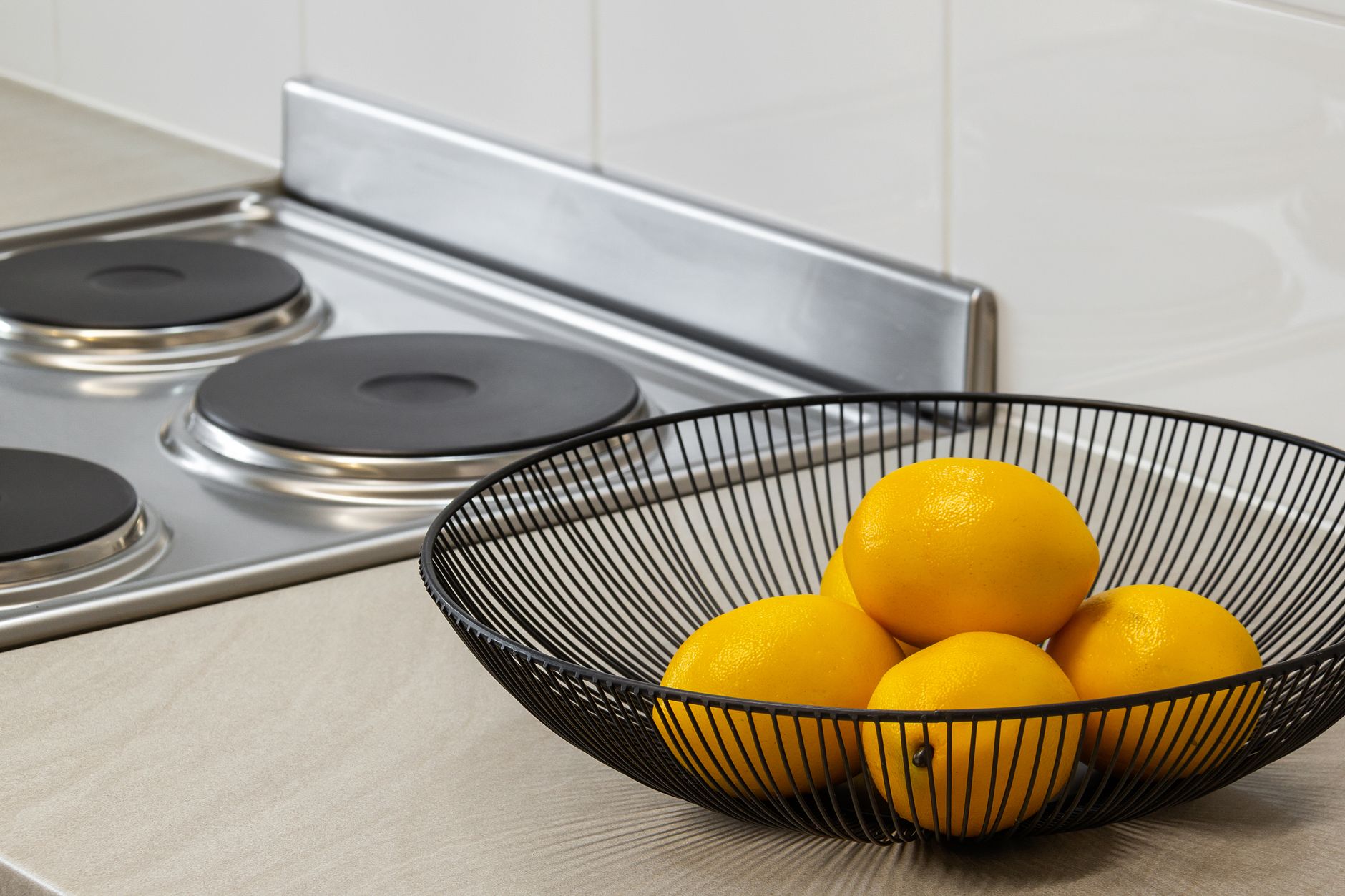
I did not set out to test a theory. I was frustrated with myself and decided to try something before concluding I simply lacked discipline. I moved the chips and crackers into the cabinet above the refrigerator, which requires a step stool to reach. I put a bowl of apples and a container of cut vegetables on the counter where the chips used to be. I did not change anything else. I did not throw away the chips, I did not tell myself I could never eat them again, I just put them somewhere less convenient.
Within the first week, my unplanned snacking dropped noticeably. Not because I no longer wanted chips, but because getting them required a step stool and a decision, and neither of those things happen automatically the way reaching for something at eye level does. Meanwhile I ate more of the fruit and vegetables, not because I had developed a sudden preference for apples, but because they were the thing directly in front of me when I opened the refrigerator or walked past the counter.
Why I think this worked
My best guess is that a lot of eating in a typical day is not driven by hunger or planning at all. It is driven by what is visible and reachable at the moment your eyes land on it. I do not think this is a moral failing. I think it is closer to how attention works generally. You notice what is in front of you, and noticing something food-related while standing in a kitchen creates a small pull toward eating it, regardless of whether you were hungry a minute earlier.
If that is roughly true, then the fight against snacking through willpower alone is a fight against your own attention, which is a genuinely hard fight to win consistently. Changing what is visible changes what your attention lands on, which changes the decision before it ever becomes a decision you have to resist.
Other changes that mattered more than I expected
- Moving the ice cream to the back of the freezer, behind bags of frozen vegetables, instead of the front shelf. I still eat ice cream. I eat it less as an afterthought.
- Keeping a stack of glasses next to the sink instead of in a high cabinet, so getting water is genuinely the path of least resistance in the kitchen.
- Portioning nuts and dried fruit into small containers instead of leaving one large bag open on the counter, since eating directly from a big bag has no natural stopping point.
- Putting the good dishes I actually enjoy using in the front of the cabinet, so cooking a real meal felt slightly more appealing than it used to.
What did not change
My appetite did not change. My taste for chips did not change. On a rough day I still want them, and some days I still get the step stool. The difference is that reaching for them now takes a real decision instead of an automatic reach, which means it happens less often, not never. I think that distinction matters. This was never about eliminating a food or proving I could resist temptation forever. It was about reducing how often the environment made the choice before I had a chance to make it myself.
I also want to be clear that this is not a weight-loss claim or a nutrition claim. I am not a nutritionist and I am not going to pretend that rearranging a cabinet is a substitute for actual dietary guidance, especially if someone is dealing with a specific health condition or a complicated relationship with food. Anyone in that situation should talk to a doctor or registered dietitian rather than take cabinet advice from a stranger on the internet.
A caution about turning this into a new obsession
There is a version of this idea that turns into another form of anxious control, where you police every inch of your kitchen and feel like a failure if a bag of chips ever sits on the counter again. That is not the point, and I do not think it would work anyway, since anything that feels like white-knuckle vigilance tends to collapse under stress the same way pure willpower does. The point is closer to setting up your space once so that on your average, distracted, tired weekday, the easy option and the option you actually want are the same option.
How I would start if I were doing this again
I would walk through my kitchen slowly, the way a stranger would, and just notice what is at eye level and within arm’s reach without touching anything. Whatever is most visible is probably what gets eaten most, regardless of what is healthiest or most wanted. Then I would move exactly one category of food, the one I complain about most, to a slightly less convenient spot, and put something else in its place. Small, boring changes, repeated in a few spots, did more for me than any amount of resolving to eat better ever did.